
trailer boat guides
Trailer boat guides are essential components designed to facilitate the safe and efficient loading of a boat onto a trailer, preventing damage during the process.
These guides come in various types – PVC, carpeted, and metal – each offering unique benefits for different boating needs and trailer setups.
Properly installed guides ensure correct alignment, reducing stress on the boat’s hull and simplifying the launching and retrieval experience for boaters.
What are Trailer Boat Guides?
Trailer boat guides are vertical extensions mounted on either side of a boat trailer, strategically positioned to direct the boat’s hull during the loading process. They act as channels, ensuring the boat centers itself correctly on the trailer without scraping or causing damage.
Typically constructed from PVC, carpeted materials, or metal, these guides offer varying degrees of cushioning and durability. Their primary function is to simplify the often-challenging task of aligning the boat with the trailer, especially in less-than-ideal conditions like windy days or limited visibility.
Essentially, they eliminate guesswork and provide a physical pathway for the boat, making launching and retrieval significantly easier and safer for all boaters. They are a crucial addition for both novice and experienced boat owners.
Why Use Trailer Boat Guides?
Employing trailer boat guides offers numerous advantages, primarily centered around protecting your boat and simplifying the loading process. Without guides, maneuvering a boat onto a trailer can be difficult, increasing the risk of hull damage from scraping against the trailer frame or bunk boards.
Guides provide a clear visual and physical pathway, especially helpful in windy conditions or when visibility is reduced. They minimize the need for precise maneuvering, reducing stress for the operator. Furthermore, taller guides, like the 47″ VE-VE models, offer added security against waves potentially displacing the boat during retrieval.
Ultimately, guides save time, prevent costly repairs, and contribute to a safer, more enjoyable boating experience.

Types of Trailer Boat Guides
Trailer boat guides are broadly categorized into three main types: durable PVC, cushioned carpeted, and robust metal guides, each suited for varying needs.
The choice depends on factors like boat size, trailer type, and budget, impacting both protection and ease of use during loading.
PVC Boat Guides
PVC boat guides represent a popular and cost-effective solution for many boaters seeking reliable trailer assistance. Constructed from durable polyvinyl chloride, these guides offer excellent resistance to weathering, corrosion, and impact, ensuring longevity even in harsh marine environments.
They are relatively lightweight, simplifying installation and minimizing added weight to the trailer. PVC guides are readily available in various lengths, including common sizes like 40″ and 60″, catering to different boat sizes and trailer configurations.
While not as soft as carpeted options, PVC provides a sufficient degree of hull protection, preventing scratches and abrasions during the loading process. They are a practical choice for both freshwater and saltwater applications, offering a balance of affordability, durability, and performance.
Carpeted Boat Guides
Carpeted boat guides provide a premium level of hull protection during loading and unloading, making them a favored choice for boaters prioritizing the cosmetic condition of their vessels. The soft carpeting material gently cradles the boat’s sides, minimizing the risk of scratches, scuffs, or other surface damage.
These guides typically consist of a sturdy frame covered in marine-grade carpet, offering both cushioning and durability. While generally more expensive than PVC options, the added protection can be invaluable, especially for fiberglass or gelcoat hulls.
Carpeted guides are suitable for a wide range of boat sizes and trailer types, enhancing the overall loading experience with a smoother, more controlled approach. Regular cleaning and maintenance are recommended to prevent mildew and maintain their protective qualities.
Metal Boat Guides
Metal boat guides, typically constructed from aluminum or galvanized steel, represent the most durable and long-lasting option for boat trailer owners. They are engineered to withstand significant wear and tear, making them ideal for frequent launching and retrieval, particularly in challenging conditions.
While offering superior strength, metal guides can pose a risk of hull damage if not properly padded or installed. Many boaters opt for rubber or plastic sleeves to cover the metal surface, mitigating potential scratches or gouges.
These guides are often the most cost-effective choice upfront, though they may require occasional maintenance to prevent rust or corrosion. They are well-suited for larger, heavier boats demanding robust support during the loading process.

Sizing and Quantity of Guides
Determining the correct guide length (40″ or 60″) and quantity is crucial for optimal boat alignment and protection during trailer loading procedures.
Consider your boat’s size and the trailer’s configuration to ensure adequate coverage and prevent potential damage during the loading process.
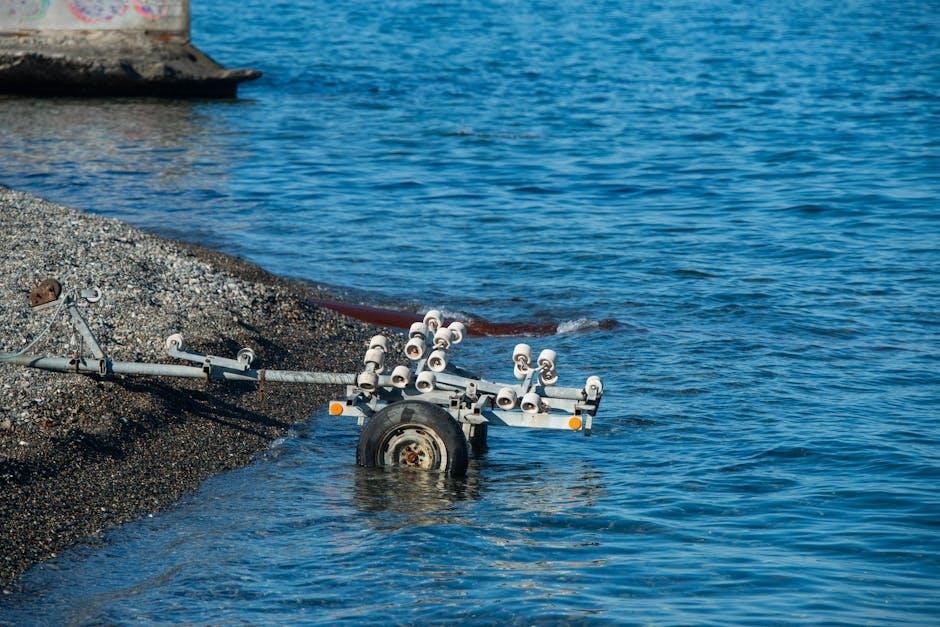
Determining the Correct Guide Length (40″ vs 60″)
Choosing between 40″ and 60″ trailer boat guides largely depends on your vessel’s hull shape and the trailer’s overall design. A common consideration, as seen in user discussions, is the potential for waves to push the boat off the trailer in rough conditions; taller guides, like the 47″ VE-VE models, offer increased stability.
Generally, 40″ guides are suitable for boats with shallower V-hulls or those frequently launched in calmer waters. However, if you operate in areas prone to choppy conditions, or have a deeper V-hull, opting for 60″ guides provides a greater margin of safety and ensures more secure positioning during transport.
Ultimately, the goal is to achieve a snug fit without causing excessive pressure points on the hull. Careful assessment of your specific boating scenario is key to making the right choice.
Number of Guides: Considerations for Optimal Coverage
Determining the optimal number of trailer boat guides involves balancing sufficient support with avoiding unnecessary contact points. While a pair of guides is standard, the ideal quantity depends on the boat’s length, hull shape, and the trailer’s configuration.
For shorter boats, a single pair strategically positioned may suffice. However, longer vessels or those with complex hull contours often benefit from three or even four guides to ensure even distribution of support and prevent localized stress.
Consider the potential for side-to-side movement during transport; additional guides can minimize this, enhancing stability. Prioritize full coverage of the hull’s contact area to protect it from damage and streamline the loading process.
Guide Spacing and Boat Size
Proper guide spacing is crucial for effective boat loading and protection. The spacing should align with the boat’s hull shape, ensuring even contact along the sides during retrieval. Generally, wider boats require greater spacing between guides than narrower vessels.
For boats under 20 feet, a spacing of 36-48 inches between guides is often adequate. Larger boats, exceeding 20 feet, may necessitate spacing of 48-60 inches or more. It’s vital to avoid excessively wide spacing, which can lead to instability and difficulty in alignment.
Carefully measure the boat’s beam and adjust the guide positions accordingly, leaving enough room for maneuvering but maintaining firm support throughout the loading process.

Installation of Trailer Boat Guides
Trailer boat guide installation requires basic tools and careful attention to detail for optimal performance. Secure mounting is key to preventing shifting during transport.
A step-by-step process ensures proper alignment, contributing to easier and safer boat loading and retrieval every time.
Tools Required for Installation
Successfully installing trailer boat guides demands having the right tools readily available. A standard drill with a variety of drill bit sizes is fundamental for creating pilot holes and securing mounting hardware.
A socket wrench set, encompassing both metric and standard sizes, is crucial for tightening bolts and nuts associated with the guide brackets. A measuring tape ensures accurate placement and spacing of the guides along the trailer frame.
A level is essential for guaranteeing the guides are perfectly aligned, preventing skewed boat entry. A screwdriver set, including Phillips head and flathead options, will handle various screw types. Don’t forget safety glasses to protect your eyes during drilling and cutting.
Depending on the trailer material, a metal cutting blade or hacksaw might be necessary for minor adjustments. Finally, a marker or pencil aids in precise marking for drilling locations.
Step-by-Step Installation Process
Begin by positioning the boat guides on the trailer frame, ensuring adequate spacing for your boat’s hull. Mark the mounting hole locations with a pencil or marker. Next, drill pilot holes at the marked spots – this prevents metal fatigue and simplifies screw insertion.
Attach the guide brackets to the trailer frame using appropriate bolts and washers, tightening them securely with a socket wrench. Slide the PVC, carpeted, or metal guides into the brackets, ensuring a snug fit.
Double-check alignment using a level, making adjustments as needed before fully tightening all hardware. Repeat the process for all guides, maintaining consistent spacing. Finally, inspect all connections for stability and security before launching your boat.
Ensuring Proper Alignment
Precise alignment is crucial for effective boat guidance. Begin by visually inspecting the guides, confirming they are parallel to the trailer’s centerline and angled appropriately to match the boat’s hull shape. Utilize a level to verify vertical alignment, preventing uneven pressure during loading.
A helpful technique involves temporarily positioning the boat near the trailer and observing the guide’s contact points. Adjust guide positions until they gently cradle the hull without forcing or binding.
Tighten all mounting hardware incrementally, continuously checking alignment after each adjustment. Misalignment can cause damage, so prioritize accuracy. A properly aligned system simplifies loading and protects your investment.

Lighted vs. Non-Lighted Guides
Lighted boat guides enhance visibility during low-light conditions, aiding in precise trailer alignment, but introduce potential wiring complications and maintenance needs.
Non-lighted guides offer simplicity and reliability, eliminating electrical issues, and remain clearly visible during daylight backing maneuvers.
The choice depends on boating frequency and preference for convenience versus potential repair concerns.
Benefits of Lighted Boat Guides
Lighted boat guides offer significant advantages, particularly for boaters who frequently launch or retrieve their vessels in challenging lighting conditions. The integrated lights dramatically improve visibility, making it substantially easier to align the boat with the trailer during dawn, dusk, or nighttime operations.
This enhanced visibility minimizes the risk of damaging the boat’s hull or trailer components during the loading process. The illuminated guides act as clear visual cues, guiding the boat smoothly and accurately onto the trailer, even when visibility is limited.
Furthermore, lighted guides can increase safety by making the trailer more visible to other motorists while backing up, especially in low-light situations. They provide an extra layer of security and confidence for boaters, simplifying a potentially stressful maneuver.
Drawbacks of Lighted Boat Guides (Wiring Issues)
While lighted boat guides offer enhanced visibility, they introduce potential complications related to electrical wiring. The primary drawback is the increased risk of wiring issues, such as corrosion, short circuits, and bulb failures, especially in a marine environment constantly exposed to water and the elements.
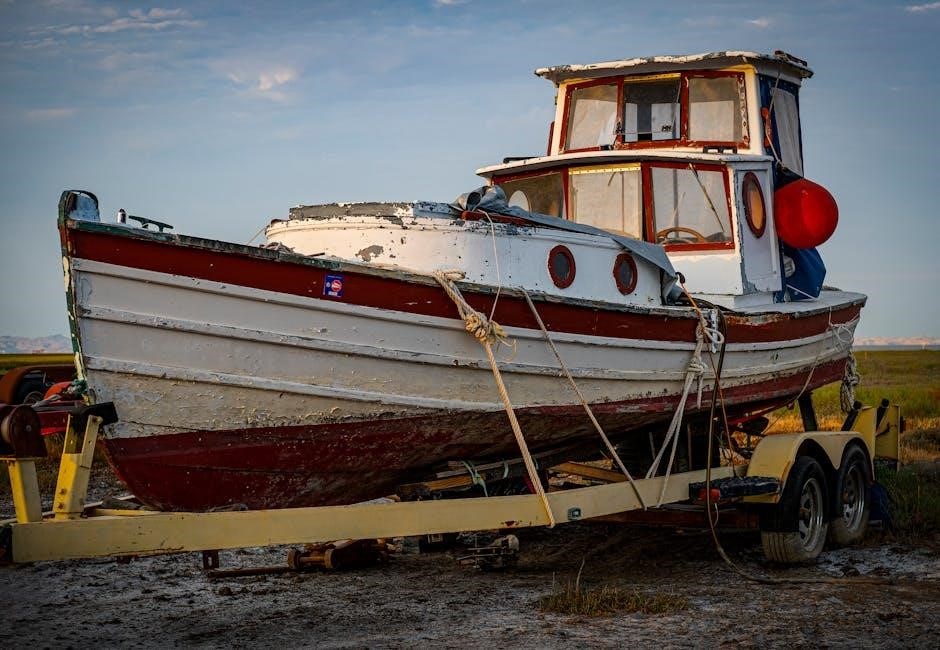
These wiring problems can lead to frustrating troubleshooting and costly repairs. Maintaining the electrical connections requires regular inspection and potentially, periodic replacement of wiring or bulbs. Furthermore, adding electrical components increases the overall complexity of the trailer’s system.
Boat owners must consider their comfort level with electrical work and the potential for ongoing maintenance when deciding whether to opt for lighted guides. The added convenience comes with the responsibility of ensuring the wiring remains functional and safe.
When to Choose Non-Lighted Guides
Non-lighted boat guides present a reliable and straightforward solution for boaters prioritizing simplicity and minimizing potential maintenance. They are an excellent choice for those uncomfortable with electrical work or seeking to avoid the hassles of wiring issues, corrosion, and bulb replacements.
These guides are particularly suitable for boaters who frequently launch and retrieve their vessels in well-lit conditions, rendering the added illumination of lighted guides unnecessary. Their clear visibility, even without lights, is often sufficient for guiding the boat onto the trailer.
Choosing non-lighted guides translates to a lower initial cost and reduced long-term upkeep, making them a practical and economical option for many boat owners. They offer dependable performance without the added complexity of electrical components.

Materials and Budget Considerations
Trailer boat guide costs vary significantly based on material – PVC being the most affordable, followed by carpet, and then metal options.
Establishing a realistic budget involves factoring in not only the initial purchase price but also potential long-term maintenance and replacement expenses.
Cost Comparison: PVC, Carpet, and Metal
PVC boat guides generally represent the most economical choice, with a pair typically ranging from $20 to $60, offering a balance of affordability and functionality. They are resistant to rot and require minimal upkeep.
Carpeted guides fall into a mid-range price bracket, usually between $40 and $100 per pair. The carpeting provides a softer contact point for the boat, minimizing potential scratches, but may require periodic replacement as it wears.
Metal guides, constructed from aluminum or steel, are the most durable and expensive option, costing anywhere from $80 to $200 or more for a pair. While offering superior longevity, they can potentially cause damage if not properly padded or aligned. Fulton offers kits around $110-$230.
Ultimately, the best choice depends on your budget, boating frequency, and the value you place on protecting your boat’s finish.
Setting a Realistic Budget
Establishing a budget for trailer boat guides requires considering not only the initial purchase price but also potential ancillary costs. Begin by determining the type of guide – PVC, carpeted, or metal – as prices vary significantly, ranging from $20 to over $200 per pair.
Factor in the cost of necessary tools if you plan a DIY installation, such as drills, wrenches, and measuring tapes. Don’t forget hardware like screws and bolts. If opting for lighted guides, include wiring, connectors, and potentially an electrician’s fee.
Allocate funds for potential future maintenance or replacements, especially with carpeted guides. A realistic budget should encompass all these elements to avoid unexpected expenses and ensure a smooth installation process.
Long-Term Maintenance Costs
Trailer boat guide maintenance varies depending on the material. PVC guides require minimal upkeep, primarily occasional cleaning to remove algae or debris. Carpeted guides, however, are susceptible to wear and tear, needing periodic replacement as the carpet deteriorates, potentially every few seasons.
Metal guides, while durable, can corrode, especially in saltwater environments, necessitating rust prevention treatments or eventual replacement. Lighted guides introduce electrical components prone to failure – bulbs, wiring, and connectors – requiring inspection and repair.
Regularly inspect all guides for damage after each use, addressing issues promptly to prevent further deterioration. Budgeting for these ongoing costs ensures continued functionality and extends the lifespan of your investment.

Troubleshooting Common Issues
Boat trailer guide misalignment can occur from impacts or shifting. Damage during use requires repair or replacement. Preventative maintenance, like regular inspection, minimizes these problems.
Addressing issues promptly prevents further damage and ensures safe boat loading and retrieval every time.
Guides Not Aligning Properly
Misalignment of trailer boat guides is a common issue, often stemming from impacts during loading or unloading, or simply shifting over time due to road vibrations. Begin by carefully inspecting the mounting hardware – are the bolts secure? Are there any bent or broken brackets?
If the hardware is sound, the guides themselves may have been knocked out of position. Loosen the mounting bolts slightly, then gently reposition the guides to ensure they are parallel to the trailer frame and create a smooth, funneling path for the boat’s hull.
Tighten the bolts securely, but avoid over-tightening, which could strip the threads. If persistent misalignment occurs, consider reinforcing the mounting points or upgrading to heavier-duty brackets. Remember, proper alignment is crucial for preventing hull damage.
Damage to Guides During Use
Trailer boat guide damage is almost inevitable with regular use, ranging from scrapes and scuffs to more significant tears or cracks. PVC guides are susceptible to abrasion from the boat’s hull, especially in rocky or uneven launch areas. Carpeted guides can become worn or detached over time, losing their cushioning effect.
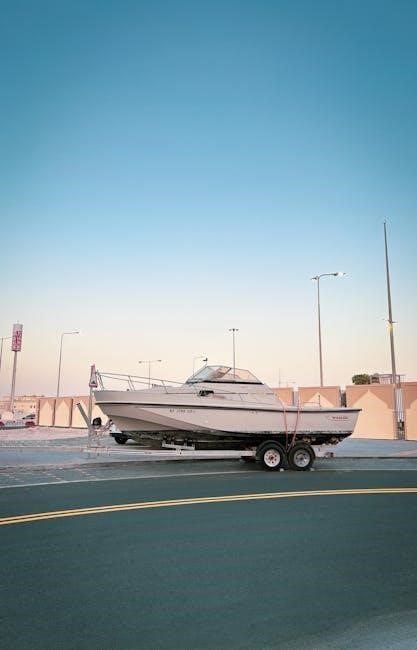
Metal guides, while durable, can bend or corrode if not properly maintained. Regularly inspect your guides for any signs of wear and tear. Minor damage can often be repaired with adhesive or replacement carpet. However, severely damaged guides should be replaced entirely to prevent further issues.
Consider carrying spare guides on long trips, and always exercise caution when maneuvering your boat onto the trailer to minimize impact.
Preventative Maintenance Tips
Preventative maintenance significantly extends the life of your trailer boat guides. Regularly inspect guides before and after each use for loose fasteners, cracks, or wear. Clean guides with mild soap and water to remove dirt and debris, preventing abrasive damage. For carpeted guides, re-adhere any lifting sections promptly using a marine-grade adhesive.
Periodically check metal guides for corrosion and apply a protective coating if necessary. Ensure proper alignment during installation and re-adjust if the boat shifts during loading. Avoid high-speed impacts during loading, and consider using fender protection in rough launch areas.
Storing the trailer properly, shielded from the elements, also minimizes wear and tear on the guides.